
Medically reviewed by Nachiket J. Patel, MD, FACC, FSCAI. Last medically reviewed: August 2026.
“Palpitations” describes an awareness of the heartbeat. A patient may mean a racing pulse, a forceful thump, fluttering, skipped beats, or an irregular rhythm. The sensation is real, but it is not a diagnosis.
Some palpitations come from premature beats or a brief rhythm change. Others occur during a normal rhythm made more noticeable by stress, fever, anemia, thyroid disease, dehydration, medication, nicotine, or stimulants. Atrial fibrillation and other clinically important arrhythmias are also possible.
The useful question is therefore not simply, “Did the heart rate go up?” It is, “What rhythm was present when the usual symptom occurred?”
Begin with the pattern, not the device
Before selecting a monitor, clarify what actually happens:
- Does the sensation begin and stop abruptly or gradually?
- Is the pulse fast, irregular, or simply forceful?
- Does an episode last seconds, minutes, or hours?
- Does it occur every day, once a week, or twice a year?
- Does it happen at rest, during exercise, after standing, during sleep, or after a medication or stimulant?
- Is it accompanied by chest pressure, shortness of breath, lightheadedness, or fainting?
- Is there known structural heart disease or a family history of premature sudden death?
Those details influence both urgency and the likelihood that a particular monitor will capture the event.
Why a normal office ECG may not settle the question
An electrocardiogram records only a few seconds. It can reveal an arrhythmia that is present at that moment, as well as conduction disease or other clues, but an intermittent event may be absent during the visit.
Ambulatory monitoring extends the recording into ordinary life. The Heart Rhythm Society consensus statement emphasizes matching the monitoring method to symptom frequency and the need for symptom–rhythm correlation.
Match the monitoring window to how often symptoms occur
The examples below are general, not rigid rules:
- Symptoms that occur daily: A 24- or 48-hour Holter or a short continuous patch may have a reasonable chance of capturing an episode.
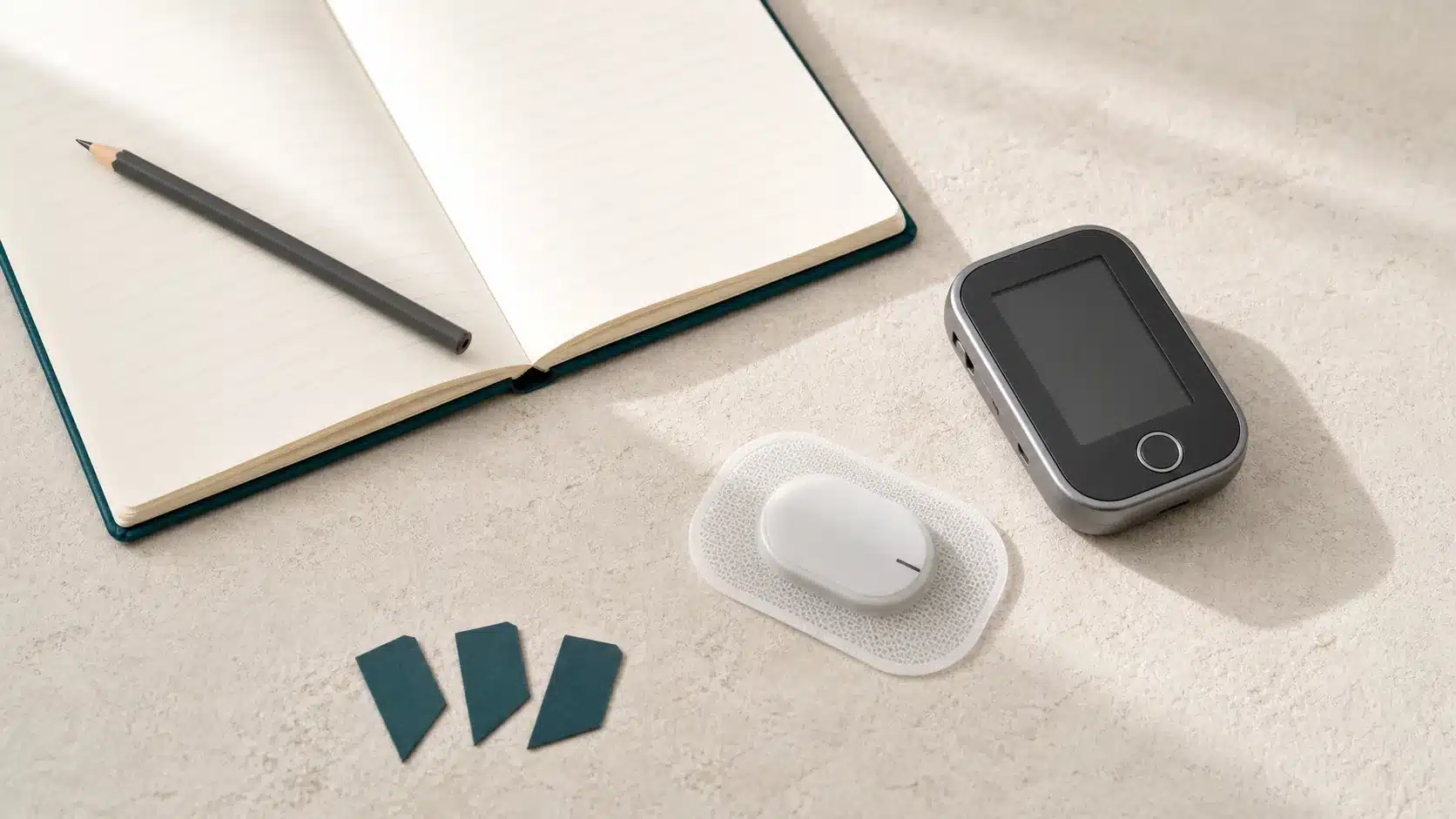
- Symptoms that occur weekly or several times a month: A longer patch, event recorder, or mobile cardiac telemetry system may provide a better opportunity.
- Infrequent, unpredictable symptoms: A patient-activated or looping recorder may be considered. The ability to activate a device matters; someone who loses consciousness cannot reliably press a button.
- Rare but important unexplained episodes: In selected patients—particularly when fainting remains unexplained after an appropriate evaluation—an implantable loop recorder can monitor for a much longer period.
Longer is not automatically better. A monitor that produces weeks of data but never includes the patient’s typical sensation may not answer the original question. Device choice also depends on skin sensitivity, work, water exposure, implanted devices, insurance requirements, and the suspected rhythm.
What to record while wearing a monitor
Continue ordinary activities unless the ordering team gives restrictions. If exercise, work, or a particular position usually triggers the symptom, avoiding that activity throughout the recording may reduce the chance of obtaining useful information.
Follow the device instructions about showering, swimming, heavy sweating, and charging. Use the symptom button when instructed. Keep a concise diary that includes:
- Exact time of the symptom
- What it felt like
- What you were doing
- Whether you felt dizzy, short of breath, or close to fainting
- Relevant medication or stimulant timing
The time is more valuable than a long description written hours later. It allows the interpreting clinician to compare the sensation with the electrical tracing.
What can the result show?
A monitor may document atrial fibrillation, supraventricular tachycardia, a slow rhythm, pauses, premature atrial or ventricular beats, or another pattern. The significance depends on duration, frequency, symptoms, heart structure, and medical history.
It may also show a normal rhythm during the patient’s usual palpitation. That is not a failed test. It can make a rhythm disorder less likely as the cause of that particular sensation and redirect the evaluation toward another explanation.
Automated reports require clinical review. Motion, poor electrode contact, and muscle activity can resemble an abnormal rhythm. Conversely, a short automatically labeled event may be real but not responsible for the symptom.
Where do watches and phone ECGs fit?
A consumer device can preserve useful information when it records an actual ECG tracing during symptoms. Save the original tracing with its time and bring or upload it for review.
A pulse alert or algorithm label alone does not establish a diagnosis. Photoplethysmography measures pulse behavior rather than the heart’s electrical activity, and even single-lead ECG devices have limitations. Do not start, stop, or change a heart or blood-thinning medication based only on a wearable notification.
Other testing should answer a specific question
The initial evaluation may include a history, examination, office ECG, and selected laboratory work for anemia, thyroid disease, or electrolyte disturbance. An echocardiogram may be appropriate when the history, examination, ECG, or known disease raises a structural question.
Testing should not become a reflexive checklist. The rhythm monitor answers one question: what electrical rhythm occurred? Other studies should be added only when they are reasonably likely to clarify cause, risk, or treatment.
When palpitations need urgent attention
Call 911 for palpitations with chest pain or pressure, severe shortness of breath, fainting with ongoing symptoms, signs of stroke, collapse, or a suddenly very high or very low heart rate accompanied by serious symptoms.
A monitor is diagnostic equipment, not emergency protection. Do not wait for the monitoring company or the next scheduled download if you feel seriously unwell.
For stable but recurrent symptoms—especially episodes lasting minutes to hours, a meaningful change from baseline, or symptoms affecting daily life—arrange a medical evaluation. Save any device tracing, but let the symptom pattern guide the next step.
Sources and Further Reading
- International Society for Holter and Noninvasive Electrocardiology/Heart Rhythm Society. 2017 expert consensus statement on ambulatory ECG and external cardiac monitoring/telemetry.
- American Heart Association. Symptoms, Diagnosis and Monitoring of Arrhythmia. Reviewed October 10, 2024.
- American Heart Association. How serious are heart palpitations? Causes, symptoms and when to worry. Published February 9, 2026.
- American Heart Association. Holter Monitor.
Related heart and vascular information
- Palpitations & Arrhythmias
- Ambulatory Heart Monitoring
- Atrial Fibrillation (AFib)
- Dizziness & Fainting (Syncope)
Schedule an appointment
If you would like a focused review of your symptoms, risk, testing, or treatment options, request an appointment with Flow Heart & Vascular in Mesa, Arizona.
This article provides general education and does not replace individualized medical advice, diagnosis, or emergency care. Do not start, stop, or change medication or delay emergency care based only on information on this website.
