

Choosing a Cardiologist: A Patient’s Guide
A practical guide to choosing a cardiologist in Mesa and the East Valley, with questions about qualifications, communication, follow-up, access, and second opinions.
Read Article
Could It Be POTS? What a Heart-Rate Rise When Standing Means
POTS is not diagnosed from dizziness or a smartwatch number alone. Learn which symptoms matter, how clinicians compare heart rate and blood pressure after standing, what can mimic POTS, when tilt-table testing helps, and why treatment must be individualized.
Read Article
Heart Medications and Arizona Heat: What to Watch For Before Changing Anything
Arizona heat can magnify dehydration, low blood pressure, kidney stress, and electrolyte problems in people taking certain heart medicines. Do not skip a pill or change a prescribed fluid limit on your own; make a written hot-weather plan with the clinician who knows why you take each medication.
Read Article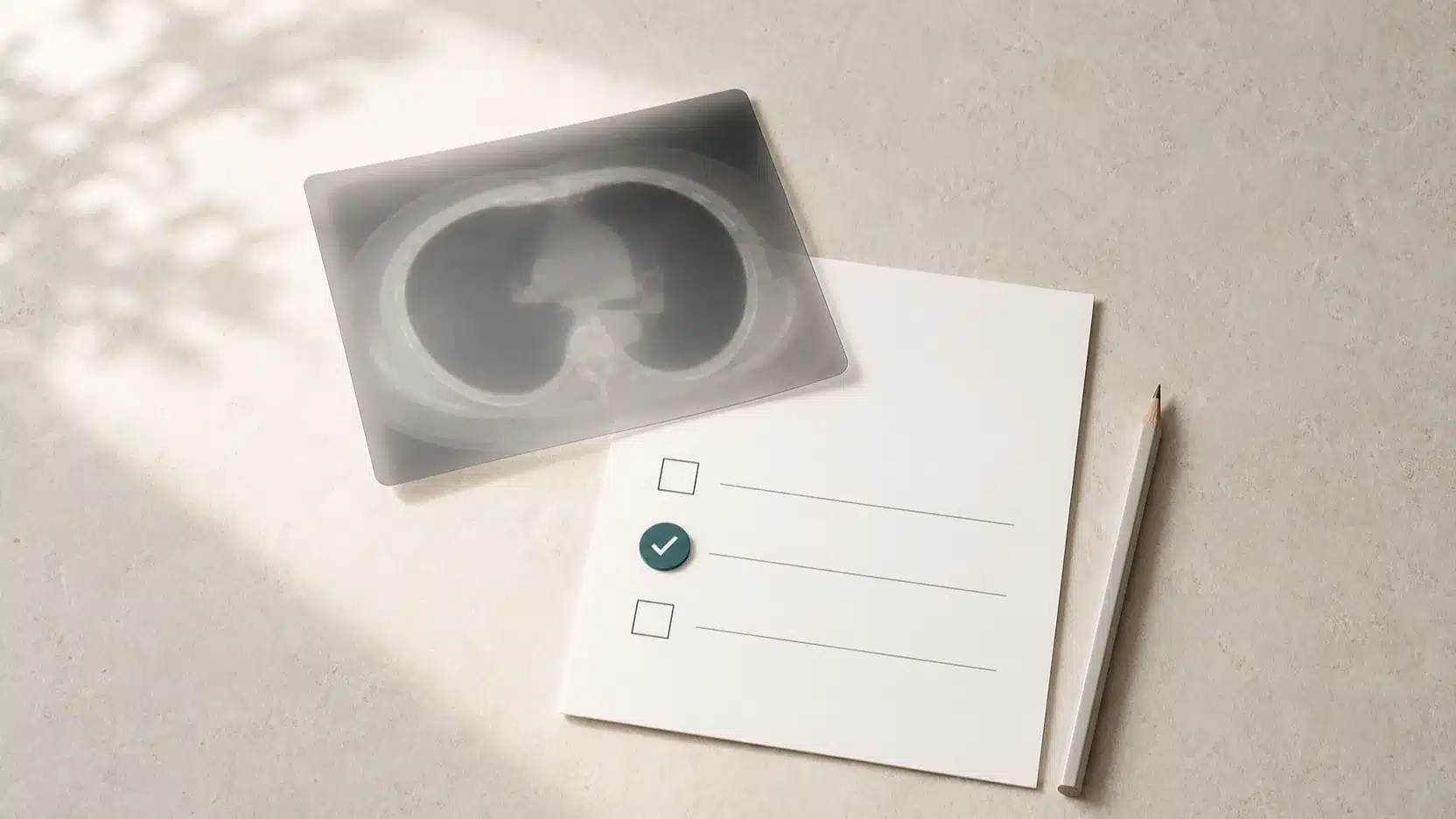
Should You Get a Coronary Calcium Score? Start With the Decision
A coronary calcium score is most valuable when its result could settle a real prevention decision—not when it is ordered simply out of curiosity.
Read Article
A Very High Blood Pressure Reading: What to Do Next
The next step after a very high reading depends on a careful repeat measurement and whether signs of acute heart, brain, or other organ injury are present.
Read Article
High Triglycerides: What the Number Means and What Happens Next
High triglycerides can reflect metabolic, dietary, medication, or inherited factors; the next step depends on whether the main concern is long-term artery risk, pancreatitis, or both.
Read Article
Heart Valve Disease: When Monitoring Becomes Treatment
The decision to monitor or treat valve disease depends on more than a murmur or one echo number; symptoms, severity, heart response, progression, and procedural risk must be considered together.
Read Article
After a DVT: What Follow-Up May Involve
Follow-up after deep vein thrombosis is not simply waiting for a clot to disappear; it includes safe anticoagulation, recurrence-risk decisions, symptom recovery, and a plan for future risk situations.
Read Article
What a Cardiac Stress Test Can—and Cannot—Show
A stress test can evaluate symptoms, exercise capacity, rhythm, and evidence of reduced blood flow under demand, but a normal result does not prove that every coronary artery is free of plaque.
Read Article
One Swollen Leg, Two Swollen Legs: What the Pattern Can Tell Us
The timing, symmetry, skin changes, and associated symptoms of leg swelling help distinguish venous, lymphatic, medication-related, and systemic causes.
Read Article
When Another Heart Test Helps—and When It Does Not
The value of a cardiovascular test comes from the decision it clarifies, not from the amount of information it produces.
Read Article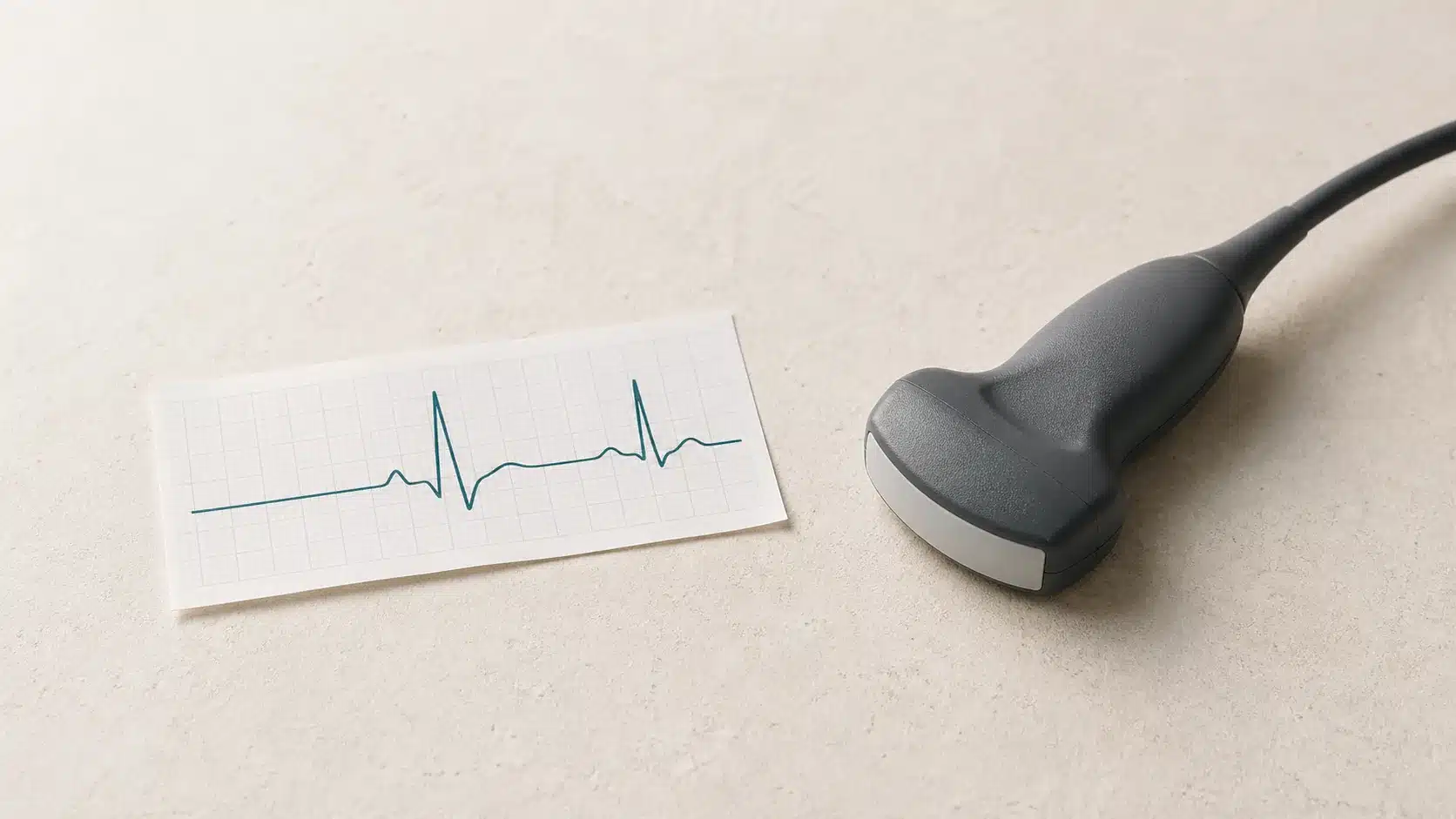
Echocardiogram vs. ECG: Two Tests That Answer Different Questions
An ECG records the heart’s electrical activity, while an echocardiogram shows its structure and motion; many patients need one, the other, or both for a specific reason.
Read Article