
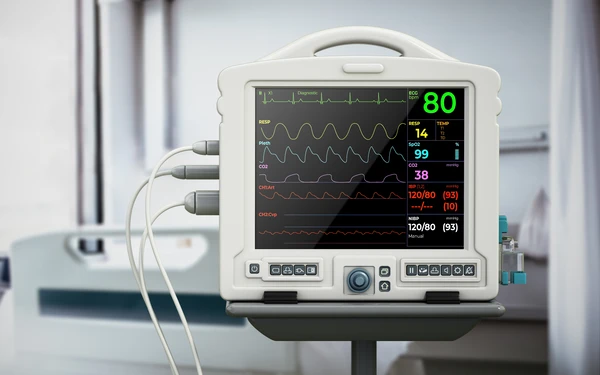
Ambulatory Heart Monitoring
Ambulatory heart monitoring records the rhythm during ordinary life, helping connect intermittent symptoms with what the heart is doing.
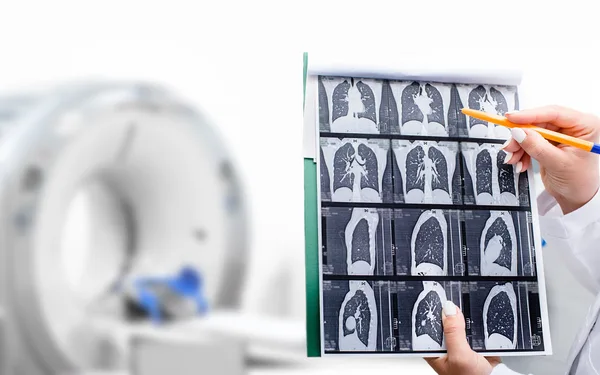
Cardiac CT & Coronary Calcium Scoring
A calcium score and coronary CT angiogram are different heart CT tests. One measures calcified plaque; the other evaluates coronary anatomy.
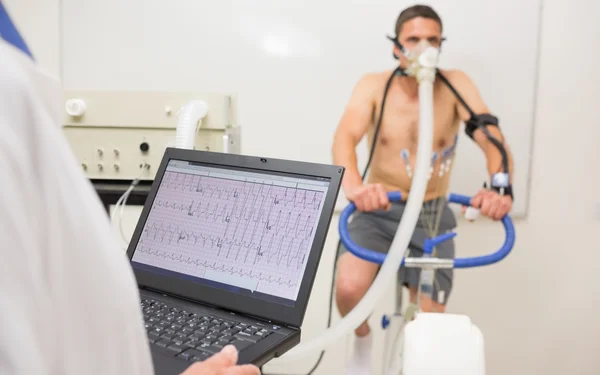
Cardiac Stress Testing
A stress test shows how the heart responds when it works harder. The right protocol depends on symptoms, mobility, ECG, and the question being asked.
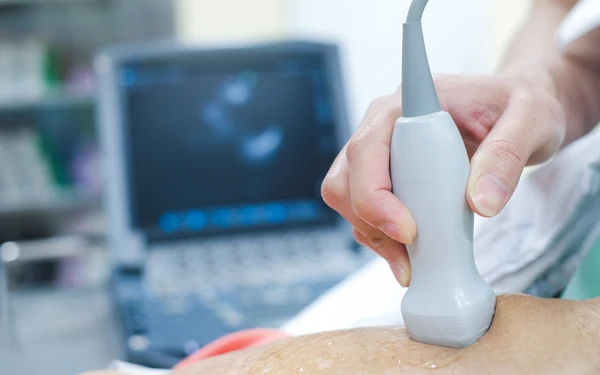
Echocardiogram
An echocardiogram is a heart ultrasound that evaluates pumping function, valves, chambers, blood flow, and clues to pressure inside the heart.
Tilt Table Testing
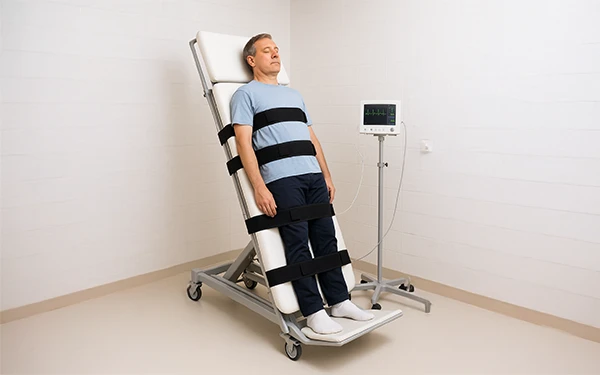
Tilt-table testing measures heart-rate and blood-pressure responses during a controlled change from lying down to upright positioning.
Vascular Ultrasound: Artery & Vein Testing
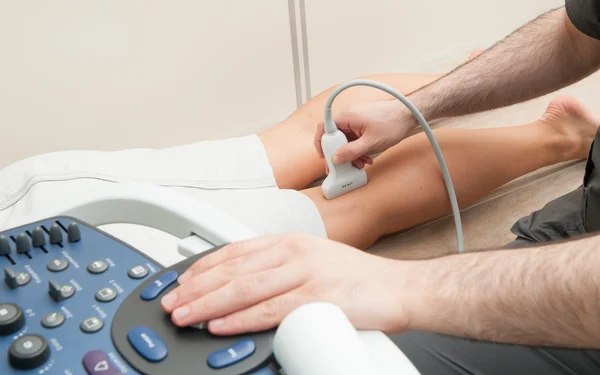
Vascular ultrasound uses sound waves to examine blood flow in your arteries and veins. Learn what artery, blood clot, vein valve, and carotid studies check.
DIAGNOSTIC TESTS
How Flow approaches testing
Every study should clarify a diagnosis, refine risk, or guide what happens next. Testing is selected thoughtfully and interpreted in the context of your symptoms, history, and prior results.
No single study evaluates every possible cause, and more testing is not always better.
START WITH THE QUESTION—NOT THE TEST NAME
Heart structure and valve function
Echocardiography
An echocardiogram uses ultrasound to evaluate the heart’s chambers, pumping function, valves, blood flow, and clues to pressure inside the heart. It may help investigate a murmur, shortness of breath, swelling, heart failure, or known valve disease.
Symptoms during exertion and possible reduced blood flow
Exercise and imaging stress testing
Stress testing evaluates how the heart responds when it works harder. Depending on the question, testing may use exercise, medication, ECG monitoring, or cardiac imaging. Symptoms, mobility, the resting ECG, and prior results help determine the appropriate protocol.
Intermittent rhythm symptoms
Holter, patch, telemetry, and longer-term monitoring
Ambulatory monitoring records the heart rhythm during ordinary life and may connect palpitations, dizziness, weakness, or fainting with what the heart is doing. The type and duration of monitoring should match how often symptoms occur.
Dizziness, fainting, and positional symptoms
Tilt-table testing and rhythm evaluation
Dizziness and fainting can involve blood-pressure regulation, heart rhythm, heart structure, medications, or noncardiac causes. Tilt-table testing measures heart-rate and blood-pressure responses during controlled upright positioning; rhythm monitoring or other evaluation may be more useful in other patterns.
Coronary anatomy and preventive risk
Calcium scoring and coronary CT
A coronary calcium score measures calcified plaque and can refine preventive risk discussions in selected patients. Coronary CT angiography is a different test that evaluates coronary anatomy. The studies are not interchangeable, and neither is appropriate for every symptom or risk profile.
Arterial and venous circulation
Carotid, arterial, DVT, reflux, and other vascular ultrasound protocols
Vascular ultrasound uses sound waves to assess blood flow without radiation. Different protocols evaluate different questions, including carotid narrowing, reduced arterial circulation, deep-vein thrombosis, venous reflux, or other vascular concerns.
TEST SELECTION
A useful test should help guide a decision
The history and examination define the question first. Dr. Patel then considers which study is most likely to provide meaningful information with the least unnecessary burden or risk. Results are interpreted alongside symptoms, medications, prior testing, and overall cardiovascular risk—not as isolated numbers or images.
BEGIN WITH THE CONCERN
Not sure which test you need?
That is a clinical decision—not homework for the patient. Flow can review what you are experiencing, what has already been tested, and whether another study is likely to change the plan.
RELATED READING
