
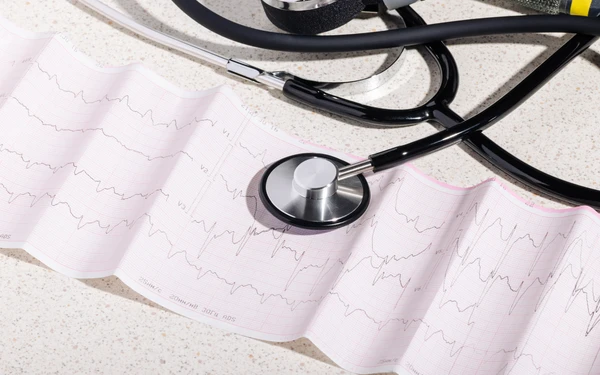
Atrial Fibrillation (AFib)
Atrial fibrillation is an irregular rhythm that may cause palpitations or no symptoms. Treatment addresses stroke risk, symptoms, and heart health.
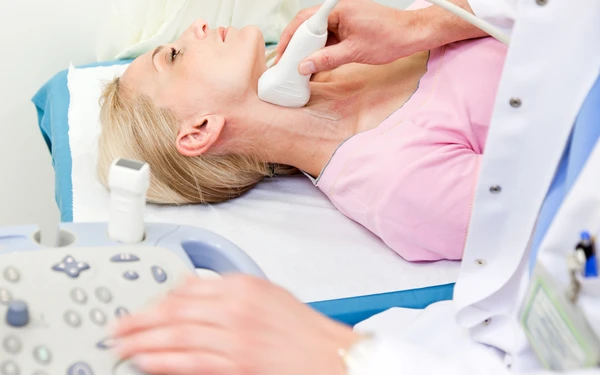
Carotid Artery Disease (Blocked Neck Artery)
Carotid artery disease often causes no warning until a TIA or stroke. Evaluation helps define severity and the safest prevention plan.

Chest Pain
Chest discomfort can come from the heart, lungs, esophagus, muscles, or nerves. New or severe symptoms require emergency evaluation.

Congestive Heart Failure (CHF)
Heart failure does not mean the heart has stopped. It means the heart cannot fill or pump well enough to meet the body’s needs.

Coronary Artery Disease (CAD)
Coronary artery disease can cause chest pressure, shortness of breath, or no symptoms at all. Learn how it is evaluated and treated.

Deep Vein Thrombosis (DVT)
Deep vein thrombosis is a blood clot in a deep vein, usually in the leg. Prompt diagnosis helps prevent clot extension and pulmonary embolism.

Dizziness and Fainting (Syncope)
Fainting can be harmless, but it can also signal a heart-rhythm or structural problem. The circumstances around an episode guide testing.

Heart Attack (Myocardial Infarction)
A heart attack is an emergency. Learn the warning signs, when to call 911, and what follow-up care may involve after hospital treatment.

Heart Valve Disease
Valve narrowing or leakage can make the heart work harder. Echocardiography helps define severity and the right timing for treatment.

High Blood Pressure (Hypertension)
High blood pressure is usually silent. Accurate home and office readings help confirm the problem and guide treatment.

High Cholesterol (Hyperlipidemia)
High cholesterol is silent, but it contributes to plaque in heart, brain, and leg arteries. Treatment should match a person’s total risk.

Leg Pain When Walking (Claudication)
Leg pain that starts with walking and improves with rest may signal reduced blood flow. Evaluation can distinguish vascular causes from joint, nerve, or spine problems.

Leg Swelling (Edema)
One swollen leg and two swollen legs suggest different possibilities. A focused evaluation can identify venous, cardiac, medication, and lymphatic causes.

May-Thurner Syndrome
May-Thurner syndrome is compression of a pelvic vein that becomes clinically important when it causes swelling, pain, or DVT.

Nonhealing Wounds
A wound cannot heal well without adequate blood flow and pressure control. Arterial, venous, neuropathic, and infectious causes require different care.

Palpitations and Arrhythmias
Palpitations describe what a heartbeat feels like. A monitor can help determine whether the cause is benign extra beats or a meaningful arrhythmia.

Peripheral Artery Disease (PAD)
Peripheral artery disease reduces blood flow to the legs and feet. Evaluation considers symptoms, circulation, walking limits, and wounds.

Postural Orthostatic Tachycardia Syndrome (POTS)
POTS is a form of orthostatic intolerance that causes excessive heart-rate rise and symptoms while upright without another sufficient explanation.

Pulmonary Embolism (PE)
Pulmonary embolism can be life-threatening. Call 911 for sudden shortness of breath, chest pain, coughing blood, or fainting.

Shortness of Breath
New or worsening shortness of breath may come from the heart, lungs, blood, or circulation. The pattern and speed of change guide urgency and testing.
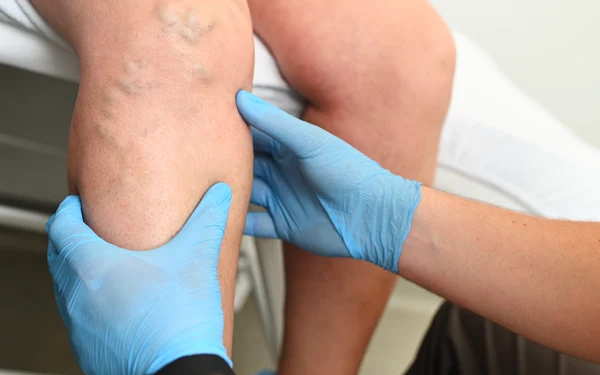
Varicose Veins & Venous Insufficiency
Varicose veins form when vein valves fail and blood pools under pressure. Symptoms can include aching, heaviness, swelling, itching, and skin change.
