
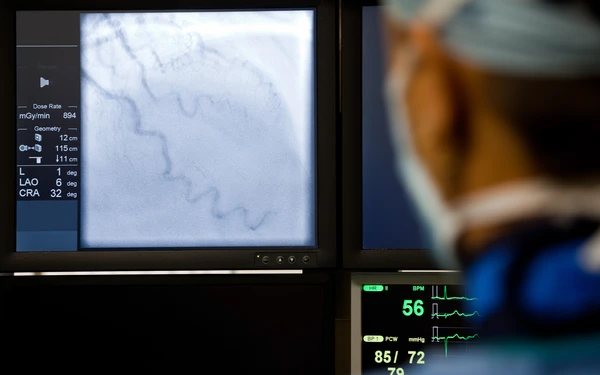
Coronary Angiography & Stenting
Coronary angiography uses a catheter and contrast to define heart-artery anatomy. A stent may be placed when a blockage is likely to benefit.
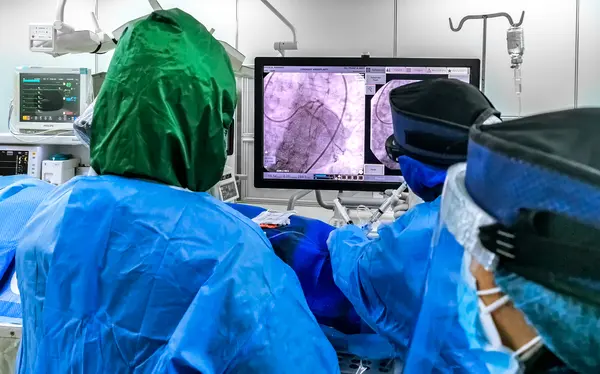
Peripheral Angiography & Angioplasty
Peripheral angiography defines leg-artery blockages. Angioplasty, atherectomy, or stenting may restore flow when expected benefit justifies treatment.
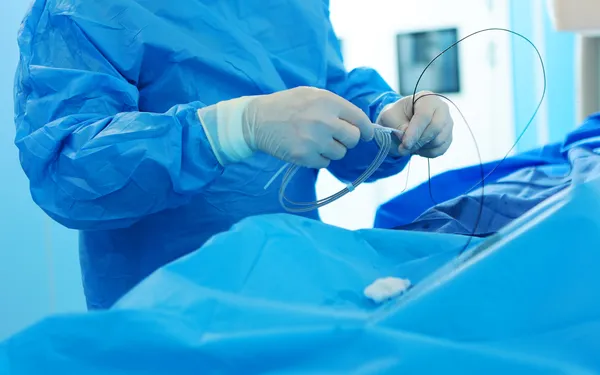
Thrombectomy (Clot Removal)
Catheter thrombectomy removes selected blood clots from deep veins or limb arteries. It is not necessary for every DVT or vascular occlusion.

Venous Ablation & Stenting
Venous ablation and venous stenting solve different problems. Ultrasound and anatomic imaging help determine which treatment, if either, is appropriate.
PROCEDURES
How Flow approaches procedures
When a procedure may help, Dr. Patel considers the diagnosis, expected benefit, alternatives, and risk—then recommends the least invasive approach that fits the problem.
Some problems are better managed with medication, risk-factor treatment, exercise, compression, observation, or another specialist’s care.
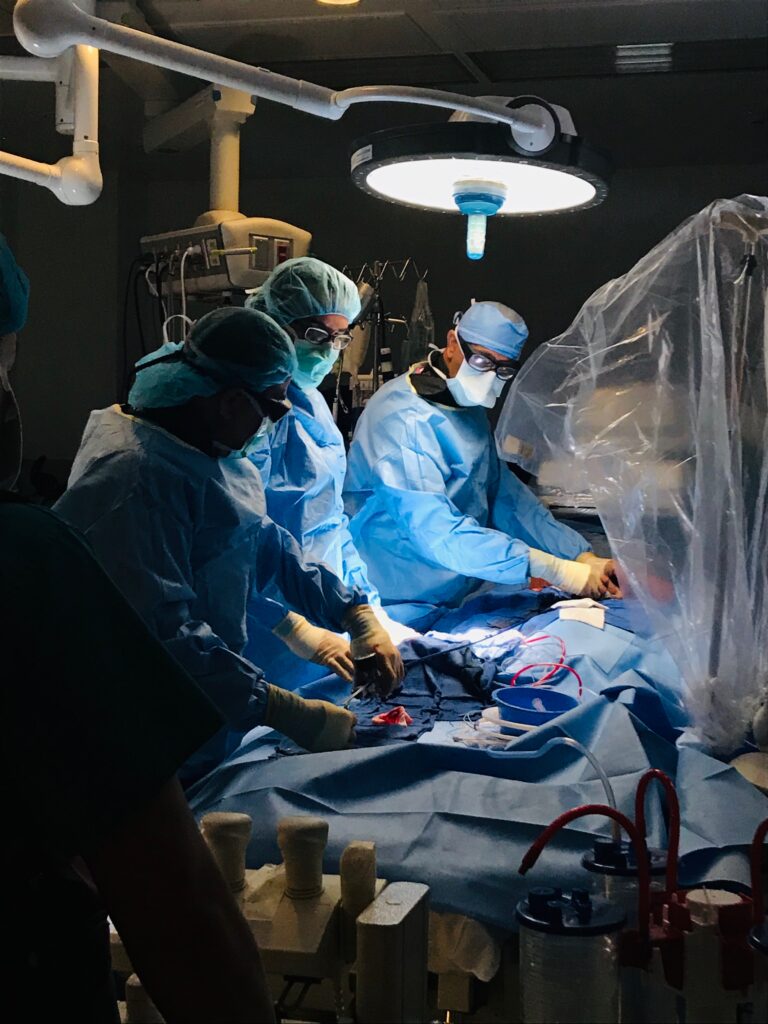
PROCEDURE GUIDE
Selected for the problem—not the image alone
Coronary angiography and stenting
Coronary angiography provides detailed images of the heart arteries. When a narrowing is likely to explain important symptoms or presents another clear reason for treatment, angioplasty and stenting may be considered. A visible blockage alone does not automatically require a stent.
Peripheral angiography and angioplasty
Peripheral angiography defines arterial disease affecting the limbs. When reduced blood flow is limiting function, preventing wound healing, or threatening tissue—and nonprocedural treatment is not sufficient—angioplasty, atherectomy, or stenting may be considered.
Thrombectomy (clot removal)
Catheter-based thrombectomy removes selected clots from deep veins or limb arteries. It is not needed for every DVT or vascular occlusion; timing, clot location, symptom severity, threatened tissue, bleeding risk, and the likely value of intervention all matter.
Venous ablation and venous stenting
These procedures treat different venous problems. Ablation closes selected superficial veins with faulty valves; venous stenting supports a narrowed or compressed deep vein. Ultrasound and, when needed, additional imaging help determine which treatment—if either—fits the underlying cause.
HOW A DECISION IS MADE
A procedure should connect the diagnosis to a meaningful goal
- Clarify the problemSymptoms, daily limitations, prior treatment, examination, and urgency establish what needs to be solved.
- Define its significanceTesting is used to determine where disease is present and whether it is likely to explain the problem.
- Compare reasonable optionsMedication, exercise, compression, observation, a catheter procedure, or surgical referral may each be appropriate.
- Weigh benefit against riskExpected improvement, durability, bleeding or contrast risk, kidney function, recovery, and the alternative of no procedure are considered together.
PROCEDURE SETTING
The right setting depends on the procedure
Consultations, evaluation, and follow-up take place at Flow Heart & Vascular in Mesa. If a procedure is recommended, the facility is selected according to urgency, complexity, the need for anesthesia or surgical backup, other medical conditions, and insurance requirements. The team confirms the location, preparation, and recovery plan before the procedure.
SECOND OPINIONS
A procedure recommendation should withstand a second look
Dr. Patel can review the symptoms, prior testing and imaging, expected benefit, and reasonable alternatives. A second opinion may confirm the plan, refine it, or identify a nonprocedural approach.
RELATED READING
Understand the condition and the testing
NEXT STEP
Start with the concern—not a procedure name
You do not need to know which treatment you need. Request an appointment for a thoughtful evaluation, or call the office with a scheduling question.
