

How to Prepare for a Cardiology Consultation or Second Opinion
A focused question, a short timeline, complete medication information, and the actual prior images can turn a crowded record into a useful cardiovascular decision.
Read Article
Dizziness and Fainting: How a Focused Evaluation Finds the Next Step
The most useful evaluation first defines what happened, identifies higher-risk features, and then selects testing that can answer a specific question.
Read Article
Leg Pain With Walking: When to Think Beyond Arthritis
A repeatable pattern of muscle discomfort with walking can signal peripheral artery disease, making circulation testing and preventive foot care important.
Read Article
Palpitations: Choosing a Heart Monitor That Matches the Symptom
The most useful heart monitor is not necessarily the longest one; it is the device most likely to record the rhythm when the patient’s usual symptom occurs.
Read Article
Your Cholesterol Panel Is More Than One Number
LDL, non-HDL cholesterol, triglycerides, and lipoprotein(a) answer different questions; understanding the differences leads to a more useful prevention plan.
Read Article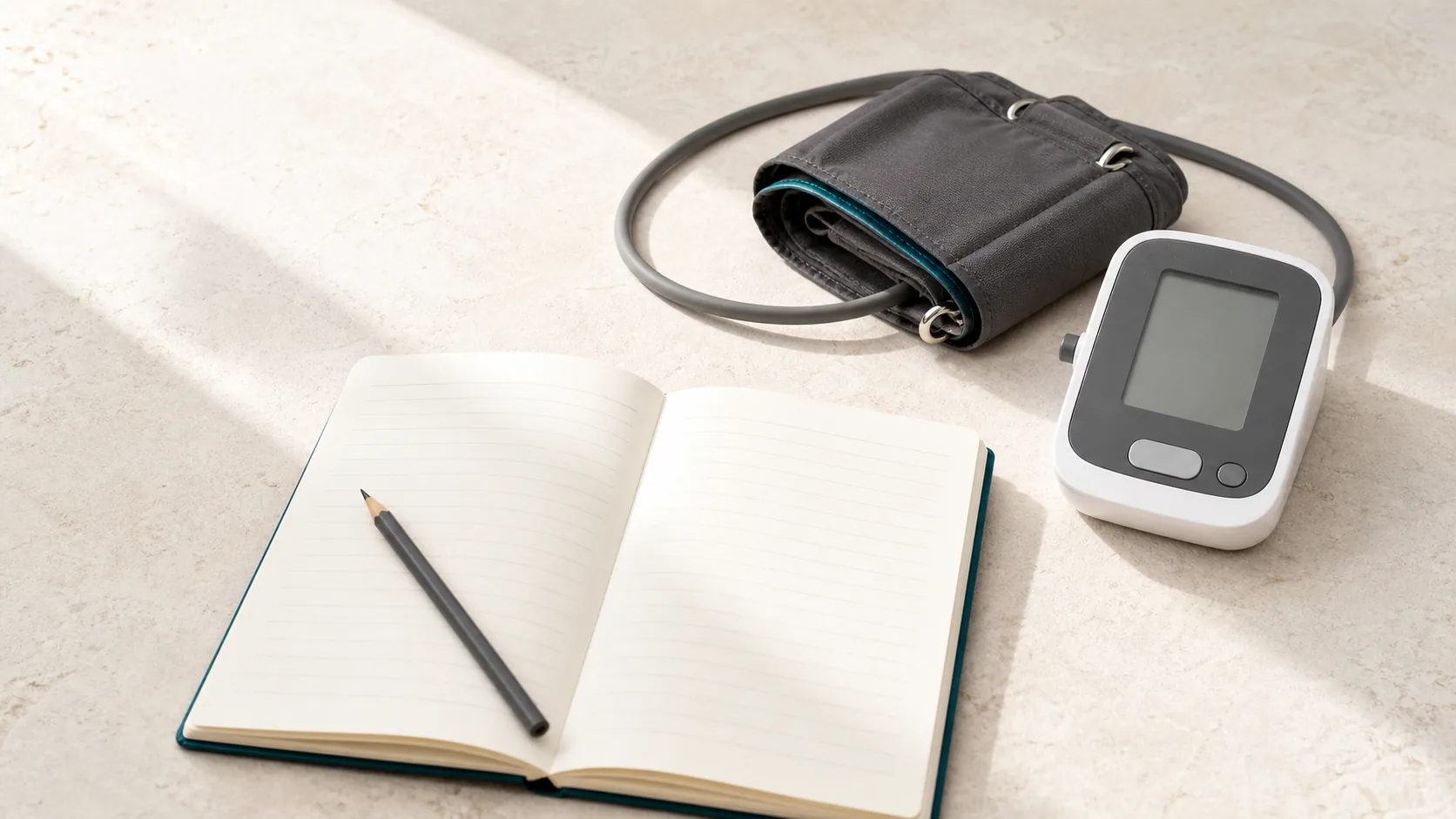
How to Measure Blood Pressure at Home—and Get Numbers You Can Use
A useful home blood-pressure log depends on the cuff, posture, timing, and repetition—not simply pressing the start button.
Read Article
The Link Between Diabetes and Heart Disease
Diabetes affects arteries throughout the body. Cardiovascular prevention must address blood sugar, cholesterol, blood pressure, kidney health, tobacco use, and physical activity together.
Read Article
How Much Exercise is Good for Your Heart?
Heart-protective exercise is built through consistency, not punishment. Learn how aerobic, strength, balance, and mobility work can fit your current health and daily life.
Read Article
Living with Atrial Fibrillation: Tips for Daily Life
Living well with atrial fibrillation means reducing stroke risk, managing symptoms, understanding triggers, and knowing which rhythm changes need urgent medical care.
Read Article
PAD vs. Varicose Veins: How to Tell the Difference
PAD and varicose veins can both cause leg symptoms, but one affects arterial blood flow while the other raises venous pressure. Their tests and treatments differ.
Read Article
What is a Calcium Score Test and Why Does it Matter?
A coronary calcium score measures calcified plaque and can refine preventive decisions. Learn what the test shows, what it misses, and who may benefit.
Read Article
5 Signs You Should See a Cardiologist
Five common symptom patterns can signal a heart or circulation problem. Learn which symptoms require 911 and which call for a scheduled cardiology visit.
Read Article